Home Energy Model: Future Homes Standard
The Future Homes Standard is a set of regulations aimed at making new homes in the UK more energy-efficient and reducing carbon emissions.
A new government calculation methodology designed to assess the energy performance of homes in 2026
“EPC’s will evolve to reflect new net zero-ready energy technologies in our homes.”
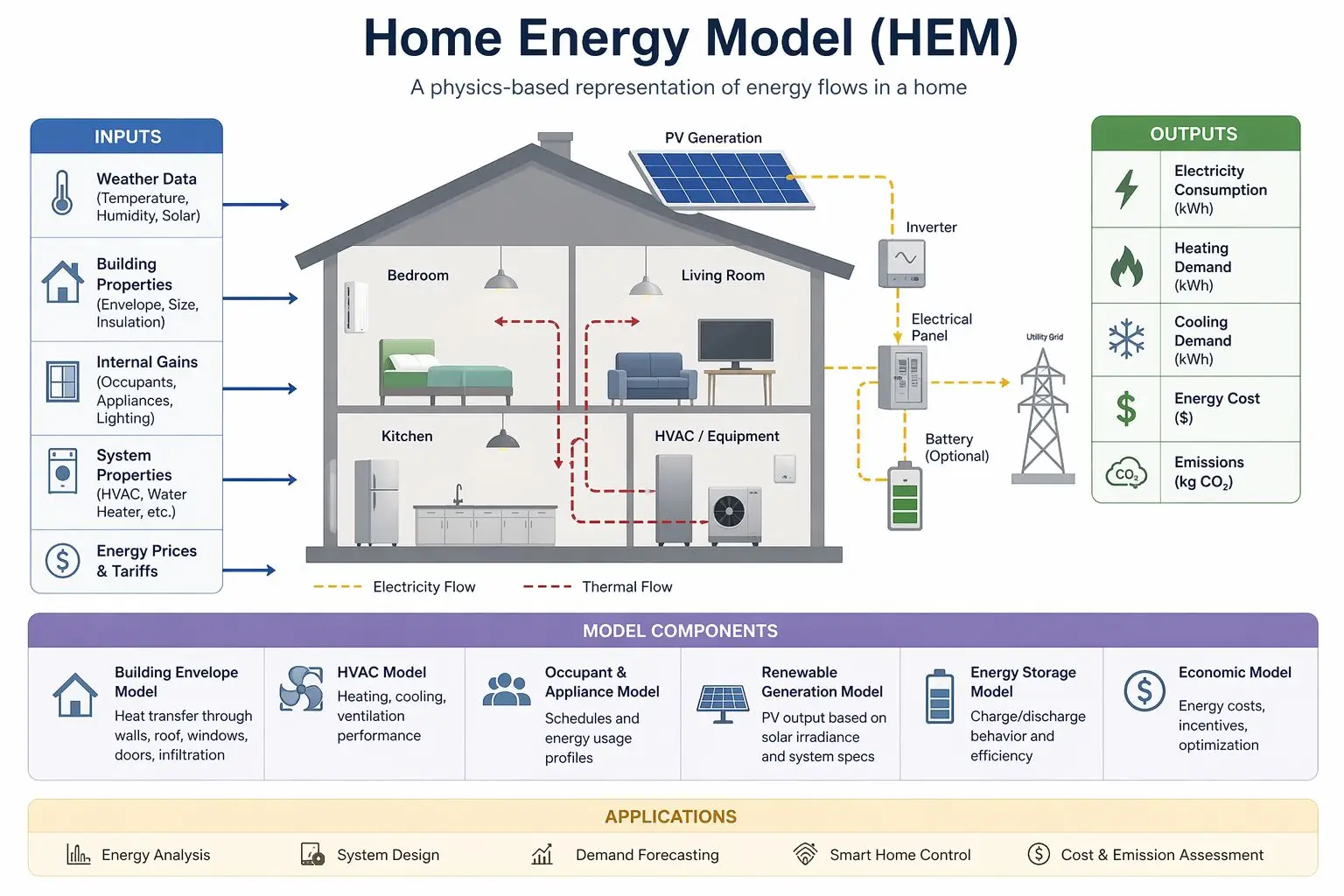
The Home Energy Model (HEM) is a powerful tool used to assess and analyze energy consumption patterns within a household. By incorporating various factors such as appliance usage, heating and cooling requirements, and behavioural practices, the HEM can provide valuable insights into ways to improve energy efficiency and reduce utility costs. This model enables homeowners to make informed decisions regarding energy-saving measures and investments in renewable energy sources. In addition to promoting sustainable living practices, the HEM plays a vital role in raising awareness about the environmental impact of excessive energy consumption. Overall, the Home Energy Model serves as a practical solution for enhancing energy efficiency and promoting a greener future.
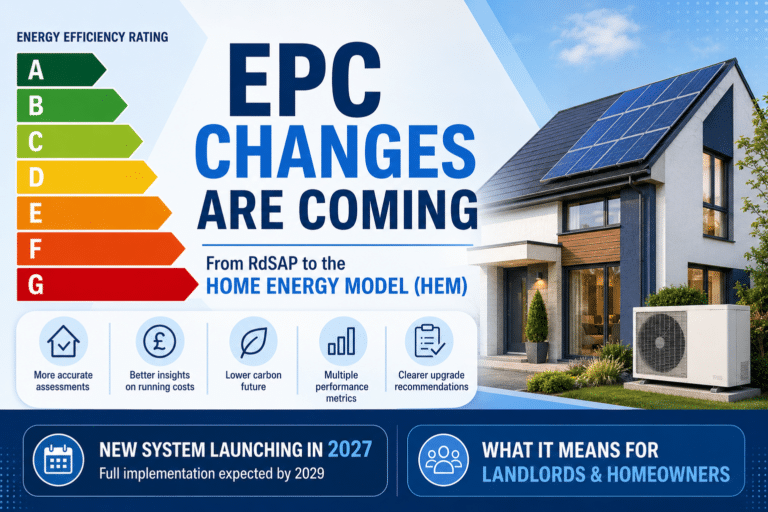
The Home Energy Model (HEM) is a new government calculation methodology in the UK designed to assess the energy performance of homes. Set to replace the existing Standard Assessment Procedure (SAP), the HEM will underpin various government policies, including the Future Homes Standard and Energy Performance Certificates (EPCs). The first version is slated for release alongside the Future Homes Standard in 2027.
Key Features of the Home Energy Model:
The Home Energy Model encompasses several key features. Firstly, it provides a comprehensive analysis of a home’s energy consumption patterns, allowing users to make informed decisions regarding energy usage. Secondly, it offers predictive capabilities, projecting future energy requirements based on current usage trends and external factors. Additionally, the model incorporates various environmental factors to assess the home’s carbon footprint and suggest potential improvements. Furthermore, it allows for the comparison of different energy-saving strategies to determine the most effective approach for reducing energy costs. Lastly, the Home Energy Model promotes energy efficiency by empowering users with valuable insights into their energy consumption habits.
Impact and Implementation:

- 2026 Launch:
- The HEM is expected to debut alongside the Future Homes Standard in 2026.
- EPC Transition:
- Post-launch, the HEM will expand to include EPC production.
- Impact on Landlords and Property Investors:
- The HEM may influence landlords and property investors, especially concerning EPC assessments and potential energy efficiency upgrades.
Future Homes Standard
The Future Homes Standard is an important initiative in the United Kingdom aimed at ensuring that new homes are built to be significantly more energy-efficient. Scheduled to come into effect in 2026, this standard is part of the government’s broader strategy to meet its ambitious climate goals, particularly the aim of reducing carbon emissions and achieving net-zero by 2050.
The Future Homes Standard sets out specific criteria for new residential properties, focusing on a variety of aspects, including energy performance, carbon footprints, and overall sustainability. For example, homes built under this standard will be required to use low-carbon heating systems rather than traditional gas boilers, which will play a critical role in reducing greenhouse gas emissions. This means that builders and developers will need to incorporate technologies such as heat pumps, solar panels, and other renewable energy sources into their designs.
Moreover, the standard also places an emphasis on improved insulation and airtightness, which are essential for reducing energy consumption and enhancing comfort for homeowners. By prioritizing these features, new homes will not only be more environmentally friendly but will also help to lower energy bills for residents, making for a more affordable living situation in the long run.
It’s important to note that the Future Homes Standard is not just about regulatory compliance; it’s about creating communities that are resilient and equipped for the future. As climate change continues to impact our world, building homes that contribute to sustainability is essential. Local authorities, builders, and homeowners alike will play a crucial role in this transition, and collaboration will be key to successfully implementing these changes.
As we look towards 2026, it’s an exciting time for the housing industry. This standard represents not only a step forward in building practices but also a commitment to the wellbeing of our planet and future generations. If you’d like to learn more about how these standards might affect you—whether you’re a homeowner, a developer, or simply interested in energy efficiency, we invite you to follow our blog for valuable tips and insights!
'Plug-in' solar panels to be in shops within months, offering households chance to significantly cut energy bills.
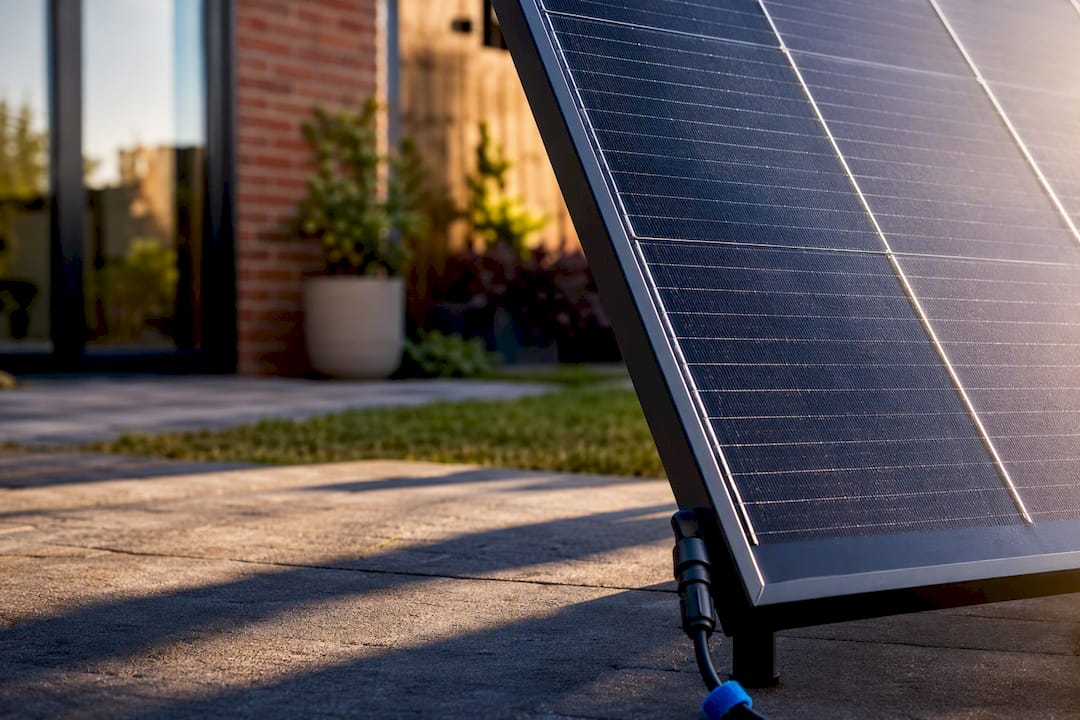
Plug-in solar panels could be hitting stores within months, bringing a new, consumer-friendly option for households looking to cut energy bills and reduce their carbon footprint. These ready-to-use systems are designed to be simple to install and use, often plugging into a standard outlet or integrating with existing home wiring to avoid complex electrical work. Once in place, they can start converting sunlight into electricity immediately, helping to offset daytime energy use and lift some of the pressure off peak-hour rates.
What this could mean for families is greater flexibility and control over energy costs. By generating power at home, households may see a noticeable drop in monthly bills, especially during sunny months when the panels are most productive. Many plug-in solar solutions come with built-in monitoring apps that let homeowners track sun exposure, energy production, and consumption in real time, making it easier to optimize usage and understand savings. Additionally, these kits are often designed with safety in mind, featuring childproof outlets and robust weatherproofing so they can be used in a variety of home settings.
There are practical considerations to keep in mind. Availability and pricing can vary, with some kits aimed at small-scale residential use and others offering more substantial generation capacity. It’s important to check local regulations and any required permits, as well as ensure the system is compatible with your home’s electrical setup and the grid rules in your area. While plug-in panels can reduce reliance on the grid, they may not completely replace it, especially on cloudy days or during high-demand periods. Insurance coverage, warranties, and after-sales support are also worth confirming, along with any maintenance needs to keep the system performing at its best.
Looking ahead, widespread adoption of plug-in solar panels could stimulate competition and drive innovation in energy storage and smart home integration. Pairing these portable or semi-permanent systems with battery storage or demand-management tools could unlock even greater savings and provide households with more resilience during outages. Overall, the arrival of plug-in solar options holds promise for simpler, cost-conscious ways to harness clean energy at home.

Commercial EPC
A Commercial Energy Performance Certificate (EPC) is a document that shows the energy efficiency of a building. It is similar to the labels you see on appliances, but for buildings. It is rated from A (most efficient) to G (least efficient), with A-rated buildings being the most energy efficient and therefore the cheapest to run...
Domestic EPC
An Energy Performance Certificate (EPC) is a document that shows the energy efficiency of a building. It is similar to the labels you see on appliances, but for buildings. It is rated from A (most efficient) to G (least efficient), with A-rated buildings being the most energy efficient and therefore the cheapest to run...

Home Energy Model
The Home Energy Model (HEM) is a new government calculation methodology in the UK designed to assess the energy performance of homes, set to replace the existing Standard Assessment Procedure (SAP)...
Articles and Information
Explore helpful tips and ideas to cut costs on your home or business energy bills!

Home energy audit process: maximise efficiency in 2026
Learn how to navigate the UK home energy audit process in 2026. Step-by-step guidance on professional EPC assessments, DIY checks, and upcoming regulations for landlords and homeowners.

DIY home energy optimisation: step-by-step guide for UK homes
Learn how to improve your home’s EPC rating with this step-by-step DIY energy optimisation guide for UK homeowners and landlords facing the 2030 compliance deadline.

Understanding thermal bridging: key to UK property efficiency
Thermal bridging causes up to 30% of heat loss in UK homes. Learn what it is, how it is measured, and how to meet Part L and Future Homes Standard requirements.

Seasonal energy saving checklist for UK homes 2026
A practical season-by-season energy saving checklist for UK homeowners and landlords. Cut bills, meet EPC requirements, and stay compliant in 2026 and beyond.

Step-by-step guide to renewable energy for UK homes
A practical step-by-step guide for UK homeowners and landlords on implementing renewable energy solutions, improving EPC ratings, and meeting 2030 energy standards.

Make old homes efficient: proven upgrades for UK properties
Learn how to improve energy efficiency in older UK properties with practical upgrades, from insulation to heat pumps, ahead of the 2030 EPC C deadline.

Top renewable energy options for UK properties: save & comply
Compare the top renewable energy options for UK properties in 2026. Solar PV, heat pumps, and more, with costs, savings, and EPC compliance guidance.

Building envelope: Key to UK property energy efficiency
Learn what the building envelope is, why it matters for UK landlords, and how to meet 2026 energy efficiency and EPC compliance requirements.